Construction projects often take place around established trees, whether a builder is constructing a new home, extending a property, installing a driveway, developing a commercial site or upgrading underground services. Trees can be affected by excavation, machinery, soil compaction, drainage changes, root damage and canopy impacts.
Working with an experienced arborist before construction begins can help contractors understand tree risks, determine which trees can be retained and identify where specialist tree services may be required.
Early Arborist Planning for Construction Projects
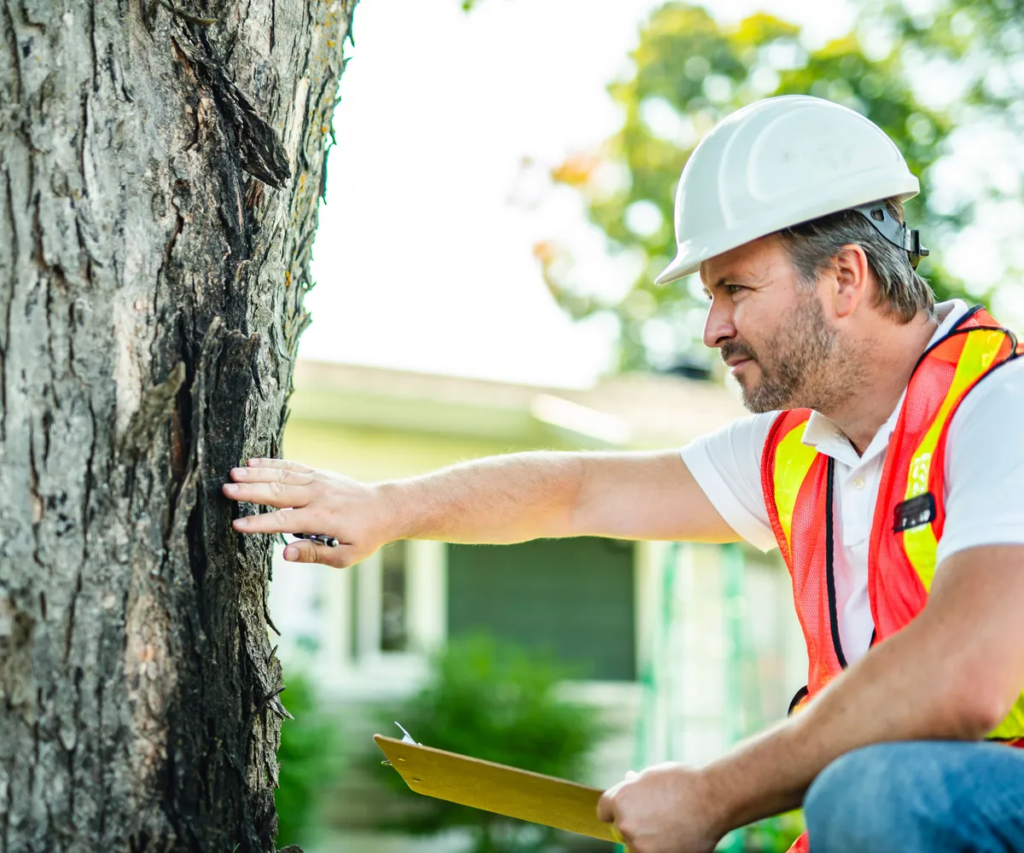
Trees should be assessed during the planning stage rather than after construction has started. An arborist can inspect tree health, structure, stability and potential conflicts with the proposed works.
Depending on the project and local requirements, an arborist report, tree assessment or Tree Protection Plan may be required. Early arboricultural advice can help builders identify potential conflicts involving foundations, excavation, driveways, retaining walls, services and access routes.
This can also help determine whether a tree requires pruning, protection, monitoring or tree removal before construction begins.
Tree Protection Zones and Construction Site Management
Trees require protection both above and below ground. Their root systems can extend beyond the visible canopy, making underground construction activity a significant risk.
Tree Protection Zones (TPZs) are used to protect trees during development and construction. Arborists may also assess the Structural Root Zone (SRZ) and other site-specific constraints when determining how close construction can safely occur. Current Australian arboricultural guidance places strong emphasis on protecting retained trees throughout development works.
Tree protection fencing should be installed where required and maintained throughout the project rather than being treated as temporary site decoration.
How Should Contractors Manage Tree Roots During Excavation?
Excavation is one of the most important risks when building near established trees. Footings, trenches, drainage, plumbing and underground electrical services can cut, crush or tear roots.
Mechanical excavation within a protected root area should not be undertaken casually. Depending on the site, an arborist may recommend hand excavation, air-spade investigation or hydro/vacuum excavation to expose roots with less disturbance.
If significant roots are discovered unexpectedly, contractors should avoid cutting or tearing them without professional advice. An arborist can assess the roots and determine whether root pruning, design changes or an alternative excavation method is appropriate.
Managing Tree Roots Around Foundations, Driveways and Services
Tree roots can conflict with foundations, slabs, retaining walls, pipes, drainage systems, paving and other infrastructure. However, simply removing a tree is not always the appropriate solution.
A tree root assessment can help identify the location and extent of roots before construction decisions are made. Non-destructive root investigation methods can be used where the root system needs to be examined without unnecessary damage.
Depending on the findings, contractors may be able to modify the construction approach while retaining the tree.
Tree Pruning for Construction Access and Clearance
Branches can interfere with scaffolding, cranes, elevated machinery, buildings, access routes and temporary structures. Appropriate tree pruning or tree trimming may provide necessary clearance while allowing a healthy tree to remain on site.
Pruning should not be treated as a general construction task. An appropriately qualified arborist should determine what branches can be removed and how the work should be performed.
Unnecessary canopy removal can create additional stress and may affect tree structure, health and appearance.
When Should Tree Removal Be Considered?
Not every tree near a construction project needs to be removed. Tree removal may be considered when a tree conflicts directly with an approved building footprint, presents an unacceptable risk or cannot reasonably be retained through design and construction controls.
Before removing a tree, contractors should check whether local council approval, permits or other requirements apply. Rules can vary considerably between councils and locations. For example, some councils require qualified arborist documentation for certain tree removal applications.
Where removal is approved, a professional tree removal service can safely dismantle and remove the tree while reducing risks to workers, structures and surrounding vegetation.
Stump Grinding After Construction-Related Tree Removal
Tree removal does not always end when the trunk and branches have been removed. Remaining stumps can interfere with foundations, paving, landscaping, access and future construction.
Stump grinding can remove the remaining stump below the surface and may be suitable where the area needs to be reused for construction or landscaping.
The appropriate stump treatment depends on the planned use of the site and the location of nearby structures, services and retained trees.
Construction Machinery and Tree Protection Areas
Heavy machinery can damage trees without directly hitting the trunk. Repeated vehicle movement can compact soil around roots, while storing materials or placing equipment inside protected areas can alter the root environment.
Construction contractors should avoid using tree protection areas for:
- Machinery parking
- Building material storage
- Soil or spoil piles
- Waste disposal
- Cement or chemical mixing
- Unplanned access routes
- Fuel storage
Keeping these activities outside protected areas helps reduce unnecessary root and soil damage.
Why Do Drainage and Soil Changes Matter for Retained Trees?
Construction can significantly change how water moves across a property. New slabs, paving, retaining walls, drainage systems and changes in ground levels can alter moisture conditions around retained trees.
Both excessive moisture and reduced water availability can affect tree health. Soil compaction can also reduce air and water movement through the root zone.
An arborist can help identify tree-related risks associated with proposed earthworks, drainage and landscaping before construction begins.
Project Arborist Support During Development Works
Some development projects require ongoing involvement from a project arborist. Their role may include establishing tree protection areas, inspecting protection fencing, supervising excavation near roots, assessing unexpected root discoveries and monitoring construction activities.
Project arborists can also provide documentation, inspections and final certification where required by project conditions or approval requirements.
For builders and developers, having an arborist involved throughout the project can help identify problems before they cause construction delays.
What Should Contractors Do If a Tree Becomes Dangerous?
Construction can expose previously hidden defects or create new risks. Damaged branches, root disturbance, trunk impacts or storm damage may make a tree unsafe.
A tree risk assessment can help determine whether the tree requires pruning, additional protection, monitoring or removal.
If a tree becomes an immediate hazard, emergency tree services may be required to make the site safe. Contractors should not attempt complex tree removal themselves, particularly where trees are close to buildings, powerlines, roads or heavy construction equipment.
Arborist Services for Construction and Development Projects
A professional tree service can provide more than basic tree cutting. Depending on the project, services may include:
- Arborist reports and tree assessments
- Project arborist services
- Tree Protection Plans
- Tree pruning and trimming
- Tree root assessments
- Root-sensitive excavation support
- Tree removal
- Stump grinding
- Tree risk assessments
- Construction tree monitoring
- Emergency tree services
Using the appropriate service at the right stage can help contractors manage tree-related risks without automatically removing healthy trees.
Construction Site Tree Management Checklist
Before work begins, contractors should confirm:
- Which trees are being retained
- Which trees are approved for removal
- Whether an arborist report is required
- Where Tree Protection Zones are located
- Whether excavation will affect tree roots
- Where machinery and materials can operate
- Whether pruning is required for access
- Whether underground services conflict with roots
- Whether council approval or permits apply
- Whether ongoing arborist monitoring is required
This preparation gives the construction team a clearer understanding of the site’s tree-related constraints.
Why Professional Tree Services Matter on Construction Sites
Trees can create challenges for construction, but they do not always need to be removed. Early involvement from a qualified arborist can help builders balance construction requirements with tree health, safety and site conditions.
Whether the project requires tree removal, tree pruning, stump grinding, root assessment, tree protection or ongoing arborist supervision, the right tree service can help contractors make informed decisions before work begins.
Speak With an Arborist Before Starting Construction Near Trees
If your construction project involves established trees, arrange an arborist assessment before excavation, demolition or major site works begin. Identifying tree risks early can help determine which trees can be retained, which require protection and whether specialist tree services are necessary.
Professional planning can help protect valuable trees, reduce avoidable construction problems and keep tree work aligned with the requirements of the project and relevant local authorities.